
Climate hazards
Extreme weather events such as flooding, heavy rainfall, sea-level rise, and storms threaten people and infrastructure and are increasing in frequency and intensity due to global warming. They create the need for climate risk analyses and adaptation strategies.
Flooding
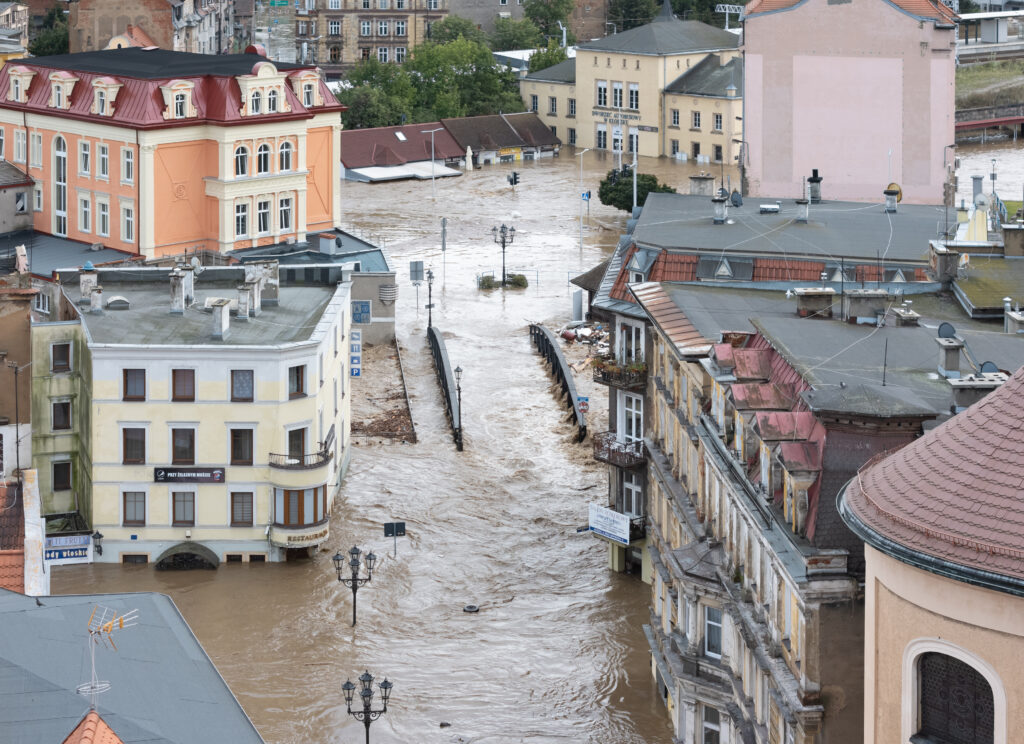
Between 2018 and 2021, municipalities in Germany recorded more than €80 billion in damages from extreme weather. Flood events in particular cause considerable damage, and this is expected to increase further as a result of climate change. Types of flooding include river flooding, heavy rainfall events, and coastal flooding.
Storm
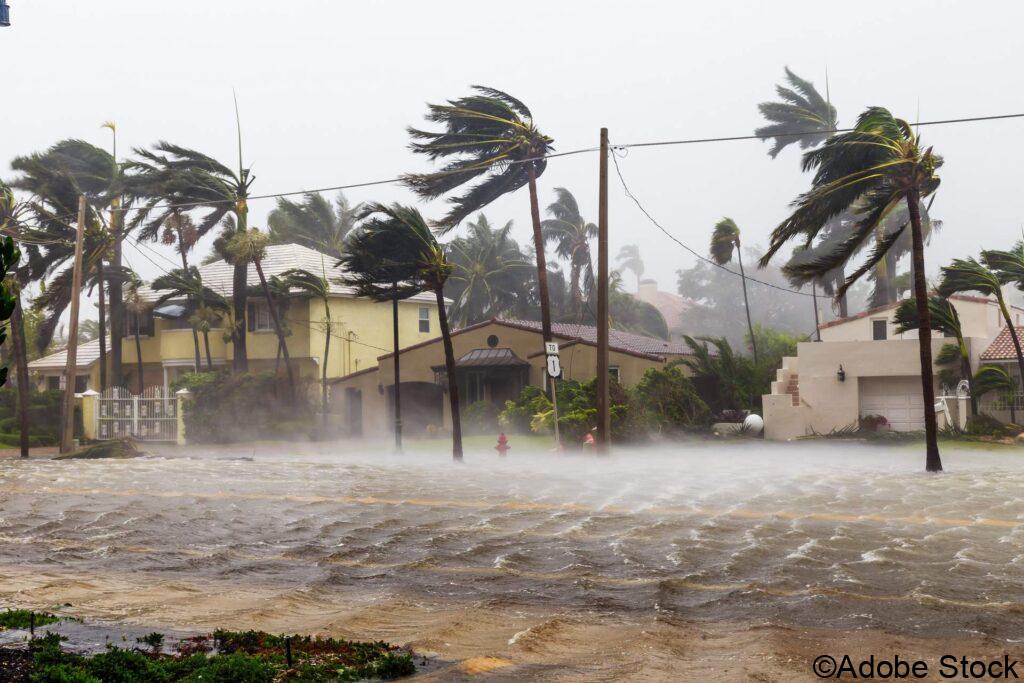
In Germany, around two thirds of all extreme weather losses are caused by storms, making them by far the most common natural hazard for buildings. The German Insurance Association (GDV) is also observing a long-term upward trend in losses from storms and hail, attributed to increasing intensity and a shift in storm activity. Events such as storm “Kyrill”, with losses of more than €2 billion, and the high insured total losses of recent years illustrate how great the risk for roofs, facades, windows, and from windborne debris already is—and how it continues to grow.
Other natural hazards
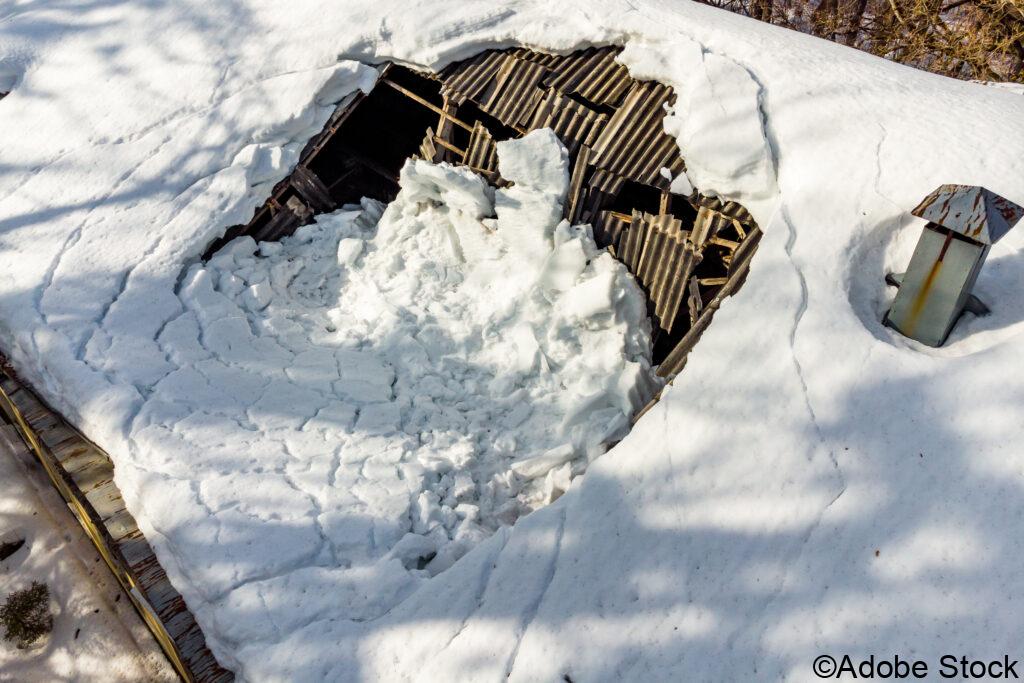
The software has a modular structure and is designed with open interfaces. This means that additional hazards—for example, climate-related events such as blizzards, extreme snow loads, or wildfires—can be integrated in the future, including their specific protective measures, with only minor effort for adaptation and further development.
Do you need a targeted extension or have new questions? Then get in touch: