
Flooding
Preventive measures
There is a wide range of preventive measures for protecting buildings against flooding. These measures include both urban planning aspects and specific solutions that can be installed directly on the building. Broadly speaking, the measures that can be implemented on buildings can be divided into two categories.
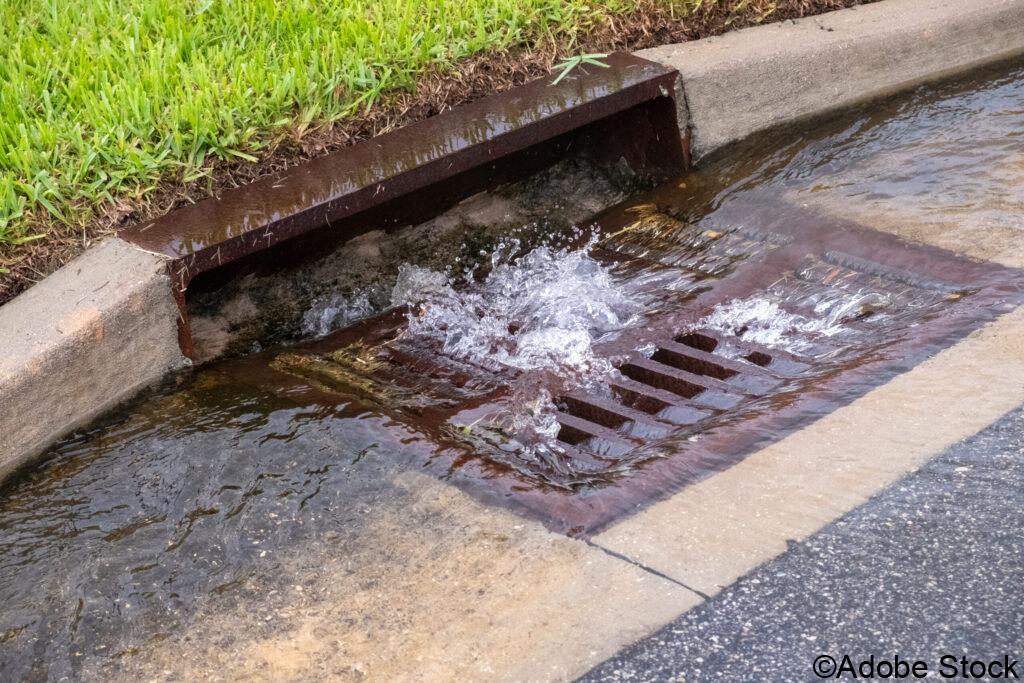
Water drainage
These aim to keep water away from the building and thus minimize the risk of damage.
Flexible flood barriers (“airtubes”) and flexiwalls
Inflatable or water-filled barriers made of robust PVC provide a flexible, quickly deployable option for flood protection. When filled, they become stable and heavy, reliably holding back water. After use, they can be emptied, dried, and stored in a space-saving manner—ideal for mobile, short-term protection.
Stop-log systems, flood gates, and protective barriers
These systems consist of durable aluminum beams that are inserted into lateral guide rails. They can be installed within a short time and flexibly adapted to different opening sizes and water levels. This makes them particularly suitable for doors, gates, garages, and other access points.
Pumps
Mobile or stationary pumps enable the rapid removal of intruded water and are central to active flood defense. They minimize damage by efficiently draining flooded areas and preventing water ingress from increasing uncontrollably.
Building reinforcement
These focus on increasing the building’s resistance to the impacts of flooding.

Flood seals for doors and windows
Specially designed components such as watertight doors and pressure-resistant windows provide a hermetic seal and prevent water ingress, even under high water pressure. They are particularly essential for vulnerable and underground areas.
Sealing of technical rooms
By using watertight doors and windows as well as special wall materials, technical and laboratory rooms are reliably protected against incoming water. This safeguards sensitive equipment and installations from failure or irreparable damage.
Facade sealing
External sealing, special sealants, and water-repellent coatings prevent water from penetrating the building envelope through joints or porous areas. These measures provide additional protection against seepage and hydrostatic pressure.
Reinforcement of the load-bearing structure
The addition or reinforcement of load-bearing components increases a building’s structural stability against water pressure and flow forces. This is especially important in areas with high flood risk to prevent structural damage or deformation.